The Attention Code – Mastering Focus, Influence & Connection in a Distracted World
The Battle for Attention in a Distracted World
Have you ever poured your heart into a conversation, an email, text, or a presentation? Only to realize that the person on the other end wasn’t really listening. Have you ever crafted the perfect pitch? Or perhaps the most compelling argument? It could even be the most engaging story, only to be met with a blank stare. Maybe you received a one-word response, or worse, complete silence? Welcome to the attention economy—where getting someone to truly listen is not just a challenge but a battle.
The worst thing you can do is be unresponsive or distracted. It is equally detrimental to be detached when undertaking an endeavor or when communicating.
Attention is Not Just About Volume—It’s About Competition
Many assume that getting attention is about being louder, funnier, or more interesting. Me? That’s perhaps the best way to get me to dismiss the interaction. Let’s face reality. You’re not just competing against other people or other content—you’re competing against…
A person’s time – They’re juggling deadlines, meetings, and responsibilities. Their biases – They filter out what doesn’t align with their worldview. Their inclinations & preferences – If they prefer TikTok, they won’t read a long article. Their emotional state – If they’re stressed, distracted, or disengaged, they won’t listen and not respond. Their past experiences – If something seems familiar, or past experiences or memories get triggered, they might tune out.
This means attention is never given freely—it’s earned, fought for, and won. So no matter who you are, if you want attention you need to know this. Whether you’re:
A professional trying to make an impact in meetings and presentations.
An entrepreneur or marketer competing for engagement in the digital world.
A leader or teacher looking to inspire and influence others.
A partner, better half, friend, or parent seeking to deepen connections.
Someone who simply wants to be heard in a world full of noise.
Mastering attention management isn’t just about being more productive. It’s about being more effective in every aspect of communication, relationships, and influence.
Attention is a Currency—Spend It Wisely, Demand It Thoughtfully
If you feel like people’s attention spans are getting shorter, you’re right. Studies show that the average human attention span is now around 8.25 seconds—shorter than that of a goldfish. But the truth is, it’s not just about shorter attention spans—it’s about heightened expectations. People expect:
Instant value—If something isn’t engaging within the first few seconds, they move on.
Minimal effort—If they have to work too hard to understand, they lose interest.
Relevance—If it doesn’t feel personally meaningful, it gets ignored.
If you want to capture and retain attention, you need to align your message with the brain’s current information processing. This alignment is crucial.
When to Stop – Recognizing When Attracting Attention is Futile
Not all attention is worth chasing. Distractions are abundant. Engagement is fleeting. It is crucial to recognize when trying to capture someone’s attention is a lost cause. However, before you give up completely, try and understand why this is happening and address the underlying issues. Before you proceed, find out if there is a compelling need. Assess if all the effort you put in is truly worthwhile. This is a universal truth that can be applied to personal and professional relationships.
Signs It’s Not Worth Your Effort:
Consistently Unresponsive – If someone repeatedly ignores your messages, they’ve likely tuned out. They might also not be interested in what you have to offer.
Minimal Engagement – If your efforts barely elicit a response, their attention is elsewhere—and forcing it won’t change that.
Disinterest Despite Effort – If you’ve tried multiple approaches, such as clear messaging and personalization, and you still get indifference, they aren’t the right audience. Communication must also be value-driven.
One-Sided Energy – If you’re the only one investing time and effort into engagement, it’s time to redirect your focus elsewhere.
What to Do Instead
Shift your attention to those who are receptive and value your message and value.
Recognize that attention is a two-way street—forcing it on someone who isn’t interested only drains your energy.
Focus on delivering value to the right people—those who are engaged, curious, and ready to listen.
The power of attention isn’t just about capturing it—it’s about knowing where to invest it wisely.
The War Against Distractions & Interruptions
It’s not just about gaining attention—it’s about fighting for it. Distractions are everywhere:
Endless notifications pulling people away from deep conversations.
Constant interruptions making workplace productivity a nightmare.
Digital addiction rewiring our brains to crave fast dopamine hits instead of deep engagement.
If you want to truly connect with people, you must learn how to manage interruptions. Design conversations to ensure engagement. Eliminate unnecessary distractions. Because attention lost is opportunity lost.
The Dark Side of Attention Manipulation – How Con Artists, Scammers & False Gurus Exploit It
Some of the most successful manipulators of attention aren’t the best speakers or the most charismatic leaders. They are scammers, con artists, and fraudsters. They have mastered the art of hijacking focus. They create urgency and exploit emotions to make people act against their own best interests. These manipulators employ various tactics. People behind Ponzi schemes, phishing emails, and religious fraudsters are understand that urgency overrides rational thought. Fake emergencies make people act impulsively. Social proof creates artificial trust—Fake success stories make people believe in illusions. Small commitments lead to big losses—Once you give a little, you’re more likely to give a lot. Learn how attention can be manipulated. This knowledge helps you protect yourself. It also enables you to use the power of persuasion ethically and effectively.
Managing Attention in Professional & Personal Relationships
Whether at work, in friendships, or relationships, attention = value. In professional settings – The ability to communicate clearly can set you apart from peers. Actively listening and focusing on key points also contribute to making you a stronger leader. In personal relationships – True connection happens when you give someone your undivided attention. It doesn’t happen when you’re half-listening while scrolling your phone. In leadership & mentorship – People follow leaders who make them feel seen, heard, and valued. Followers do not support those who constantly multitask and dismiss others. Attention management isn’t just about improving focus—it’s about building trust, credibility, and influence in every interaction.
Attention is Power—Master It or Be Controlled by It
As far as choices go, you have but two choices in today’s world. Control or be Controlled.
Master attention—learn how to capture it, hold it, and direct it in a way that serves your goals.
Be controlled by distractions—become a victim of endless interruptions, manipulation, and scattered focus.
This article will show you how to win the battle for attention. Whether you’re speaking, writing, leading, selling, or teaching, it will help. You will also benefit if you are simply trying to be heard in a world full of noise. In this article, we’ll explore the science of attention span management. We will show you how to capture it. You will learn to hold it. Additionally, you will see how to use it effectively in all areas of life. Get ready to unlock the science, psychology, and strategies behind attention span mastery.
Everyone is competing for focus in the world. Those who capture attention will have the upper hand. They can direct it effectively. They will consistently hold the advantage.
Are you ready to take control of your attention and influence? Let’s dive in.
The Attention Span Crisis-Why Is It Happening?
The powers that be have created world of endless notifications, algorithm-driven content, and constant multitasking, our ability to focus is under siege. Those powers understand human psychology deeply and have offered up a myriad of thoughts, tools and techniques that we’ve adopted and been influenced by.
The average attention span is shrinking, making deep work, meaningful conversations, and critical thinking harder than ever. With instant gratification at our fingertips, we’ve become wired for quick hits of dopamine, prioritizing speed over substance. This isn’t just a productivity issue—it’s a cognitive crisis that affects decision-making, relationships, and creativity.
Attention Span Disorder – The Hidden Epidemic of the Digital Age
In an era of constant digital stimulation, many people are experiencing Attention Span Disorder. Deep concentration feels impossible. Mental fatigue sets in. Unlike ADHD, – a clinical condition, this disorder is fueled by social media, multitasking, and algorithm-driven distractions. The brain is conditioned to seek instant gratification. It struggles with prolonged engagement. This leads to decreased productivity, poor retention and real difficulty in meaningful conversations.
The good news? Attention can be trained. We can regain our focus by reducing digital clutter. Mindfulness practice helps. Engaging in deep work rewires our brains for sustained attention.
Digital Overload: Smartphones, social media, and streaming platforms, constantly bombard. The average person scrolls through over 300 feet of content daily, consuming bits of information without fully processing them. This fragmented engagement trains the brain to jump from one stimulus to another, eroding deep focus.
Stress and Mental Overload: Chronic stress significantly impacts our ability to focus. When stressed, the brain releases cortisol, a hormone that can impair memory and concentration. Prolonged stress keeps the brain in a state of hyper-vigilance. This makes it harder to concentrate and makes it difficult to engage. Challenges in managing stress can lead to mental fatigue, further shortening attention spans.
Avoidance Through Distraction: Sometimes, distraction isn’t just accidental—it’s deliberate. People might scroll through social media, watch endless videos, engage in other low-effort activities to avoid or delay dealing with uncomfortable emotions. Complex decisions or unresolved challenges and postponed. This form of escapism might provide temporary relief but exacerbates stress in the long run.
The Dopamine Trap: Every time we check our phones or refresh our feeds, we receive a dopamine hit, a chemical reward for engaging with something new. This creates a loop of seeking instant gratification, making it harder to concentrate on tasks requiring sustained effort.
The Multitasking Myth: Multitasking might seem like a productivity hack. However, studies show it actually reduces efficiency by up to 40%. Switching between tasks overstimulates the brain, leaving us mentally exhausted and less effective.
Respect & Attention Span – The Silent Connection
In a world where shortened attention spans have become the norm, respect is one of the biggest casualties. When someone speaks, and we’re half-listening, we might be scrolling our phones, checking emails, or thinking about our next response. We send an unspoken but rather clear message: “You’re not important enough for my full attention.”
Respect isn’t just about words—it’s about presence. Giving someone your undivided attention is one of the simplest yet most powerful ways to show respect, value, and appreciation. In relationships, workplaces, or social settings, focusing fully on another person is essential. It builds trust. It deepens connections. It fosters meaningful communication.
In a world that constantly pulls us away, those who choose to be fully present stand out. They are not just better communicators. They are also more respectful, impactful, and influential individuals.
Attention Span in a World of Algorithms – How Technology Shapes Focus
How do algorithms shorten attention spans, shape behavior, and change the way we consume information? And most importantly, how can we take back control?
Algorithms control what we see, when we see it, and how long we engage with it. Our attention span is not just shrinking, it’s being manipulated and optimized for profit by social media. Recommendation engines expose us to content. So, what happens when machines decide what we focus on?
How Algorithms Are Rewiring Our Attention Span
The Algorithmic Hook – Instant Gratification
You open Instagram for “just 5 minutes.” However, the endless scroll of personalized content keeps you there for an hour.
Social media and content platforms track what we like, click, and engage with—then show us more of it.
This creates a dopamine loop—quick rewards train us to expect instant engagement.
The result? We struggle to focus on anything that doesn’t grab our attention immediately.
The Death of Deep Thinking – Everything is Bite-Sized
Instead of reading a full book, you rely on 15-second summaries—but lose context, nuance, and depth.
Algorithms prioritize short-form content (Reels, TikToks, Shorts) because they maximize repeat engagement.
People skim headlines instead of reading full articles—because platforms push sensationalized, quick-hit content.
The more we consume short, high-speed content, the harder it becomes to engage in deep, meaningful thought.
The Personalization Trap – Attention Silos
Your feed only shows political views you already support, reducing critical thinking and open discussion.
Algorithms create filter bubbles—showing us only content we agree with.
This reinforces existing biases, making us less likely to engage with diverse perspectives.
Instead of exploring new ideas, we get trapped in an echo chamber of familiar content.
The Distraction EconomY – Designed to Steal Your Focus
You start watching one YouTube video. Autoplay leads you down a 3-hour rabbit hole of content you never planned to watch.
The longer you stay on a platform, the more ads you see—so tech companies optimize for addiction.
Endless autoplay, notifications, and infinite scrolling keep us hooked without realizing it.
Attention spans don’t just shrink—they get hijacked.
How to Take Back Control of Your Attention Span
Practice Intentional Consumption
Set time limits for social media and entertainment.
Choose long-form content (books, podcasts, deep articles) to rebuild focus.
Turn off autoplay—control what you consume, don’t let the algorithm decide.
Instead of mindless scrolling, schedule 30 minutes of focused reading daily.
Break the Dopamine Loop
Delay gratification—train your brain to enjoy slow, deep work.
Create “no-phone” zones to escape the algorithm’s influence.
Use “Do Not Disturb” mode to block constant notifications.
Instead of reaching for your phone every morning, start your day without digital input.
Expose Yourself to Diverse Content
Actively seek out opposing viewpoints—break the algorithm’s filter bubble.
Follow different perspectives, cultures, and disciplines to expand your mind.
Read full articles, not just headlines—train your brain for depth.
Instead of relying on one news source, read multiple perspectives to get a full picture.
Build Your Own Attention Algorithm
Decide what content adds value to your life—unfollow accounts that don’t.
Use tools like RSS feeds, newsletters, and curated lists instead of mindless scrolling.
Schedule focused time for creative, meaningful work—don’t let algorithms control your day.
Instead of letting social media dictate what you see, curate your own reading list.
Thoughts – Reclaiming Your Focus in a World of Distraction
Algorithms don’t just predict what we want—they shape what we think is worth our attention.
If we let them control our focus, our ability to think deeply will disappear.
If we take conscious control, we can still develop strong, lasting attention spans.
Attention is your most valuable asset—don’t let an algorithm spend it for you.
The Power of Attention – Why Mastering Focus Transforms Every Area of Life
Distractions are relentless, notifications never stop, and deep focus is becoming a rare skill. Attention span management isn’t just about boosting productivity—it’s the foundation of strong relationships, effective leadership, and decisive crisis management. Your ability to focus shapes every conversation, every decision, and every connection you build. If you’re in a high-stakes business meeting, you need to manage your attention well. If in a heart-to-heart with a loved one, stay focused to make a significant impact. In a crisis, your attention is crucial for effective management.
Attention Isn’t Just About Efficiency—It’s About Connection.
From parents and children, to romantic partners, colleagues, and lifelong friends, the ability to give undivided attention is a game-changer. It fosters trust, understanding, and emotional depth, strengthening bonds in ways that multitasking and half-hearted engagement never can. Yet, in today’s hyper-connected world, our attention spans are collapsing.
We can binge-watch an entire season of a show in one sitting but struggle to focus on a 10-minute conversation.
We reply to texts while scrolling social media, thinking we’re engaged—when in reality, we’re barely present.
We sit in meetings nodding along, only to realize we missed half the discussion because our minds were elsewhere.
Attention is the Ultimate Currency—Spend It Wisely.
The relationships that thrive, the leaders that inspire, and the professionals who stand out aren’t just those who work harder. They’re the ones who manage attention better. Mastering focus isn’t just a skill. It’s a superpower.
Why Attention Spans in Personal Relationships Are Shrinking
So, why is attention span in relationships so short-lived, and what can we do to reclaim meaningful connection? Personal relationships thrive on quality time, meaningful conversations, and emotional presence. Poor attention span management can lead to: Superficial conversations, Feeling unheard or misunderstood, Increased relationship conflicts due to miscommunication.
Digital Distractions Steal Focus
Constant phone notifications pull people away from conversations.
Mindless scrolling habits make face-to-face interactions less engaging.
Social media’s dopamine-driven rewards make real-life talks feel less stimulating.
You’re at dinner with your partner, but every few minutes, one of you checks Instagram or texts. The conversation never flows deeply because of constant digital interruptions.
Information Overload Makes Us Impatient
We consume so much content daily that our brain struggles to stay engaged with slow, deep conversations.
People now expect instant stimulation—if a conversation isn’t immediately engaging, they mentally check out.
Jumping between tabs, messages, and tasks makes sustained attention harder.
You’re telling a story to a friend. They interrupt with a different topic. They’re used to fast-paced digital content that doesn’t require long focus.
Multitasking Creates Superficial Presence
People talk while texting, watching TV, or scrolling, making the interaction shallow.
Split focus means lower emotional connection—even if someone hears your words, they don’t absorb them deeply.
Divided attention makes people feel unheard, leading to weaker relationships.
Your partner says, “You’re not even listening to me.” You repeat their last words to prove you were, but they know your mind was somewhere else.
High Expectations, Low Patience
People expect conversations to be instantly exciting, just like social media content.
If a discussion doesn’t feel stimulating quickly, people disengage.
Someone texts, “How was your day?” You start explaining, but they reply with “lol” or “nice”—showing they aren’t fully invested.
How to Fix It – Reclaiming Attention in Relationships
The 5-Minute Rule: Full Attention Moments
Dedicate at least 5 minutes of undivided attention to loved ones daily.
No phones, no distractions—just pure focus and presence.
This habit rebuilds connection and trust over time.
Instead of scrolling while talking, put the phone away and fully engage in a short but meaningful conversation.
Digital Detox in Conversations
Create “phone-free zones” at the dinner table, during dates, or in deep talks.
Use “Do Not Disturb” mode to eliminate distractions when spending time together.
Replace mindless scrolling with mindful presence—even for just 10 minutes.
Set a rule: No phones during meals—this forces deeper engagement.
Active Listening – Make People Feel Heard
Show you’re fully present by using eye contact and follow-up questions.
Repeat key points to show you value what they’re saying.
Put effort into responses instead of generic, disengaged replies.Instead of just saying “Yeah” or “Nice”, ask: “Tell me more about that!”
Slow Down & Be Intentional
Avoid rushing through interactions—relationships aren’t a checklist.
Give small but quality time instead of distracted, longer time.
Choose depth over speed—meaningful conversations take time.
Instead of quick texts all day, schedule a 20-minute deep chat at night.
Thoughts – Attention is the Currency of Love & Connection
If you want stronger relationships, you must give what is most valuable today—your undivided attention. By managing attention span wisely, we create stronger, deeper, and more fulfilling relationships in all aspects of life.
Slow down, remove distractions, and engage fully.
Be present, even for just a few minutes—it matters.
Attention = Connection. The more you give, the deeper your relationships grow.
Parents & Children: Presence fosters trust and emotional security.
Teachers & Parents: Focused communication enhances student success.
Romantic Partners: Attention fuels intimacy and understanding.
Attention Span Management in Professional Relationships
The impact of declining attention spans is being felt across every industry. Here’s how it’s reshaping various professions:In the workplace, attention management determines:
The quality of your interactions with colleagues and clients
Your ability to focus on key business decisions
How well you lead and inspire teams
In a world filled with endless emails, Slack notifications, and meetings, deep listening and intentional focus are becoming rare skills. When you actively manage your attention, you stand out as a leader, collaborator, and problem-solver.
Effects Across Industries
How to Reclaim Your Focus & Manage Your Attention
The good news is that attention management is a skill that can be cultivated. Here are strategies to regain control:
Be Fully Present in Conversations
Ever been in a meeting where someone was clearly checking their phone while pretending to listen?
Multitasking kills trust—giving someone your full attention shows respect and credibility.
Active listening (nodding, paraphrasing, eye contact) makes interactions meaningful and productive.
Eliminate “Noise” to Prioritize Important Conversations
Set aside tech-free time for deep work—this allows for genuine connection with colleagues.
In meetings, minimize distractions (put devices on silent, close unnecessary tabs).
When discussing strategy, focus on one issue at a time rather than jumping between topics.
Master Concise and Impactful Communication
People have limited attention spans—get to the point clearly and effectively.
Use structured frameworks (e.g., “Problem → Solution → Call to Action”) for clearer messaging.
Emails should be scannable—use bullet points, bold text, and avoid unnecessary jargon.
Example in a Work Scenario: Bad Attention Management: The manager is in a Zoom call. They are constantly checking emails and responding to Slack messages. As a result, they are not really engaged. The team feels unheard and frustrated.
Good Attention Management: Manager actively listens, asks follow-up questions, and recaps key points. The team feels valued, and the meeting is more productive in half the time.
Acknowledge & Address Stress
Practice Stress Management Techniques: Mindfulness, deep breathing, and exercise can help lower cortisol levels and improve focus.
Set Realistic Expectations: Avoid overloading your to-do list. Break tasks into smaller, manageable steps to reduce overwhelm.
Seek Support: Talk to a trusted friend, mentor, or therapist. They can help you process difficult emotions. Discuss any situations that may be causing distraction.
Adopt Intentional Tech Use
Turn off notifications: Only keep alerts for essential apps.
Schedule tech-free time: Create blocks in your day where you disconnect entirely.
Use focus tools: Apps like Freedom or Forest can help block distractions and keep you on task.
Practice Deep Work
Coined by Cal Newport, deep work refers to focused, undistracted time spent on cognitively demanding tasks.
Dedicate specific time blocks for deep work.
Use the Pomodoro Technique: Work for 25 minutes, then take a 5-minute break.
Start your day with the most important task (MIT) to leverage peak focus hours.
Understand Your Avoidance Patterns
Identify Your Triggers: Reflect on what you might be avoiding when you turn to distractions.
Face Discomfort Gradually: Start by dedicating small amounts of time to address the issues you’ve been avoiding.
Reward Progress: Celebrate small wins when you tackle challenges directly, reinforcing positive behaviors.
Cultivate Mindfulness
Mindfulness strengthens your ability to focus and reduces the pull of distractions.
Try meditation: Apps like Headspace or Calm can guide you.
Practice single-tasking: Give your full attention to one activity at a time, whether it’s writing an email or eating lunch.
Redesign Your Environment
Declutter your workspace: A clean space helps minimize visual distractions.
Optimize lighting and ergonomics: Comfort and good lighting can improve focus.
Limit interruptions: Let colleagues or family know when you’re in focus mode.
Prioritize Sleep & Rest
Fatigue significantly impacts attention. A well-rested mind is sharper and more productive.
Aim for 7-9 hours of sleep per night.
Take short breaks during the day to recharge.
The Benefits of Attention Management
Reclaiming your focus isn’t just about productivity—it’s about living a more intentional, fulfilling life. Attention management enables you to:
Deliver higher-quality work.
Strengthen relationships by being fully present.
Reduce stress by breaking free from the constant pull of distractions.
In a world where attention is the most valuable currency, managing it effectively is your superpower. Train your brain to focus. Address stressors head-on. Eliminate distractions. These steps can help you unlock your full potential and achieve greater success. Take a moment today to assess how you’re spending your attention. Are you in control, or is the world controlling you? Let’s take back the reins—one focused moment at a time.
What’s your go-to strategy for managing attention in a world full of distractions? Share your thoughts in the comments below!
Attention Span Management in Workplace & Social Dynamics – Peers, Seniors, Junior & Leadership Interactions
Attention span management isn’t just about personal productivity—it’s a critical skill for building strong professional and social relationships. Whether it’s peer-to-peer collaboration, senior-to-junior mentorship, or leadership dynamics, the ability to focus is crucial. Actively listening enhances communication. Engaging meaningfully builds trust and increases efficiency.
Let’s explore how attention span management plays a role in different work and social hierarchies. Mastering it can create stronger connections. It leads to better teamwork and higher workplace success.
Peer Communication – The Balance of Respect and Engagement
In peer-to-peer relationships—whether among colleagues, classmates, or business partners—effective communication and mutual respect are essential. Poor attention management can lead to: Misunderstandings & missed details, Lack of collaboration & productivity loss, Weakened professional & personal relationships
How to Improve Attention Span Management in PEER Interactions
Listen Fully Before Responding: Instead of thinking about your reply while they talk, practice active listening. Paraphrase key points to show you’re engaged. “So, what you’re saying is…”
Avoid Divided Attention: When working on a project together, don’t multitask (checking emails or texts mid-conversation).
Even in casual settings, being mentally present strengthens relationships.
Respect Their Time & Attention: Keep meetings and conversations concise and valuable. If you have a long discussion, summarize key takeaways so no one loses focus.
What to Avoid: Interrupting or talking over peers, Pretending to listen while distracted, Monopolizing the conversation without allowing input.
What to Do Instead: Give full attention during discussions, Acknowledge and validate contributions, Maintain a balance between speaking and listening.
Bad Peer Attention Management: Two teammates are discussing a project. One is constantly checking their phone. They are not fully engaged. The other gets frustrated, leading to poor teamwork.
Good Peer Attention Management: Both teammates actively listen, exchange ideas, and take notes, leading to clearer communication and better results.
Senior professionals, mentors, and managers play a key role in guiding juniors. They must actively listen and engage. They should also provide meaningful feedback. Failing to do so can lead to juniors feeling undervalued and disengaged. It can also cause a loss of motivation and productivity. Additionally, it may result in missed opportunities for mentorship and growth.
How to Improve Attention Span Management in Senior-to-Junior Dynamics
Be Fully Present in Mentorship: When a junior team member seeks advice, give undivided attention. Avoid brushing off their concerns with generic answers.
Encourage Open Communication: Ask: “What challenges are you facing?” Provide constructive feedback instead of vague criticism.
Use the 80/20 Listening Rule: Let juniors speak 80% of the time while seniors listen and guide. Avoid dominating conversations with long monologues.
What to Avoid:Do not be dismissive or distracted during mentorship.Avoid providing generic, one-size-fits-all advice.Let juniors fully express their thoughts without interrupting them.
What to Do Instead:Listen fully and respond meaningfully. Encourage juniors to think and contribute. Provide clear, constructive, and specific feedback.
Bad Attention Management: A junior employee asks for guidance. The senior only half-listens while replying to emails. This behavior makes the junior feel unimportant.
Good Attention Management: The senior pauses other tasks, actively listens, and provides thoughtful insights, making the junior feel valued.
Junior-to-Senior Communication – Gaining Credibility & Building Respect
Junior employees often feel the pressure to prove themselves when speaking with seniors. If they do not manage their attention span well, they might face some risks. They could be perceived as unfocused or unprepared. They might fail to make a strong impression. They also risk missing opportunities for professional growth.
How to Improve Attention Span Management When Speaking to Seniors
Get to the Point Quickly: Senior executives don’t have time for long-winded explanations. Use structured communication:“Here’s the issue, here’s my proposed solution, and here’s what I need from you.”
Demonstrate Active Listening: Maintain eye contact, take notes, and acknowledge key points. If unclear, ask: “Can you clarify that part for me?”
Avoid Filler Words & Rambling: Be concise, confident, and direct. Instead of “Umm, I think maybe we should…” say “I recommend this approach because…”
What to Avoid:: Rambling without structure. Multitasking or appearing distracted. Failing to acknowledge senior insights.
What to Do Instead:Prepare talking points beforehand. Show confidence in responses. Engage with active listening cues
Leadership & Attention Management – The Foundation of Influence
Great leaders command attention while also giving it. Poor attention management in leadership results in: Disengaged teams & low morale, Ineffective decision-making, Lost trust & credibility.
How Leaders Can Improve Attention Span Management
Listen More, Speak Less: Employees respect leaders who take the time to listen. Asking “What’s your perspective on this?” encourages engagement.
Eliminate Distractions in Key Meetings: If a leader checks emails during team discussions, it sets a bad example. Being fully engaged shows commitment to the team’s success.
Deliver Clear & Concise Messaging: Leadership communication should be direct, inspiring, and actionable. Instead of “Let’s improve team performance,” say “Our goal is a 20% efficiency boost in the next 3 months. Here’s how we’ll achieve it.”
What to Avoid:Giving vague, uninspiring directives. Appearing distracted in team discussion. Ignoring employee concerns
What to Do Instead:Lead by example with full attention engagement. Use structured, compelling messaging. Encourage open dialogue and feedback
Thoughts – Attention Span Management Shapes Every Interaction
Peer-to-Peer: Builds collaboration and mutual respect.
Senior-to-Junior: Strengthens mentorship and learning.
Junior-to-Senior: Enhances credibility and professionalism.
Leadership: Drives influence, trust, and team engagement.
By mastering attention span management, you become a stronger communicator, a better leader, and a more effective professional.
Attention Span Management in Crisis Situations
In crisis scenarios—whether personal or professional—decisive thinking, clear communication, and emotional stability are crucial. Poor attention management in a crisis can lead to: Panic-driven decisions, Misinterpretation of critical information, Worsening the situation through hasty actions
How to Apply Attention Management in Crisis Situations
Prioritize Information Intake & Processing: In high-stress moments, the brain craves clarity—filter out irrelevant distractions. Focus only on the essential facts before making a decision.
Use the “Pause & Process” Technique: Instead of reacting impulsively, take 10 seconds to breathe and assess the situation. Ask: “What is the most important thing to focus on right now?”.
Communicate Clearly & Directly: In emergencies, attention spans are even shorter—every second counts. Use short, precise language to convey action steps (e.g., “Evacuate now,” “Check for injuries”).
Stay Physically & Mentally Present: In high-stress situations, calm and focused leaders influence others positively. If you’re managing a crisis, your presence, tone, and body language set the tone for everyone else.
What to Avoid in Crisis Management:Getting distracted by non-essential details. Overloading communication with too much information. Letting emotions dictate responses
What to Do Instead:Identify the most urgent problem first. Use simple, direct language. Maintain composure to help others stay focused
Thoughts – Attention Span Management – A Life Skill
Whether in professional settings, personal relationships, or crisis situations, attention span management is a superpower. It determines how well we: Build strong relationships, Make smart decisions under pressure, Maintain trust, credibility, and efficiency.
Key Takeaways:
In the workplace – Active listening, clear communication, and reducing distractions boost leadership and collaboration.
In personal relationships – Undivided attention fosters deeper connections and emotional trust.
In crisis management – Filtering noise, thinking clearly, and delivering concise messages can make or break a situation.
Mastering attention span management isn’t just about being more productive—it’s about being more effective in every aspect of life.
Mastering Attention Management – How to Capture and Retain Focus in a Distracted World
In today’s fast-paced digital world, attention is one of the most valuable currencies. Whether you’re a business leader, marketer, educator, or creative professional, the ability to capture and retain attention is crucial. Attention spans are shrinking. There is also an overabundance of information. As a result, getting people to engage deeply with your message is harder than ever.
So, what are the most effective means to attract and retain attention? How can we ensure that the time spent communicating our message is not wasted? Let’s dive into the science of focus and explore practical strategies to make your communication impactful and memorable.
Understanding How Attention Works
It’s really simple if you abstract all the factors. However, let me break it down for you.Attention operates in two key modes:
Capturing Attention (Initial Engagement) – This involves grabbing someone’s interest within the first few seconds. If you fail to do this, they will move on.
Sustaining Attention (Deep Engagement) – Once you have their attention, the challenge is keeping them engaged. You need to engage them long enough to deliver value and drive action.
Both require clarity, emotional resonance, and cognitive ease. Now, let’s explore the best strategies to attract and retain attention effectively.
How to Attract Attention Effectively – Start with a Powerful Hook
First impressions matter. Your first few seconds are crucial in a speech, marketing campaign, social media post, or article. They determine if your audience will stay or leave.
Best Hooks to Capture Attention:
Surprising Fact or Statistic – “Did you know the average attention span is now shorter than a goldfish’s?”
Provocative Question – “What if I told you that multitasking is destroying your productivity?”
Bold Statement – “Most people waste 80% of their workday without realizing it.”
Storytelling – “When Steve Jobs returned to Apple in 1997, the company was 90 days from bankruptcy. Here’s what he did next…”
Challenge the Status Quo – “Everything you know about success is wrong. Let me explain why.”
Use Visual and Emotional Triggers
People process visuals 60,000 times faster than text. If you’re presenting or marketing, use compelling images, videos, or infographics to instantly grab attention.
Use Faces & Eye Contact – We are naturally drawn to human faces in images.
Colors Matter – Bright, high-contrast colors can make key points stand out.
Emotionally Charged Content – Fear, humor, excitement, or curiosity all boost retention.
Leverage the Power of Novelty & Curiosity
The brain is wired to notice something new, unexpected, or different. Use pattern disruption to break through the noise.
Unconventional Titles – Instead of “How to Improve Productivity,” try “Why Wasting Time Could Make You More Productive.”
Intriguing Phrasing – “The Hidden Secret to…,” “Nobody Talks About This…,” “You’re Doing This Wrong…”
Tease Without Over-Explaining – “What happened next shocked me…”
How to Retain Attention and Drive Deep Engagement – Keep It Clear and Concise
People tune out when information is overwhelming.
Use simple, direct language—avoid jargon or unnecessary complexity.
Break up content into small, digestible parts (bullet points, numbered lists, short paragraphs).
Create a Storytelling Flow
Humans are wired for storytelling. Stories hold attention longer than raw information.
Best storytelling structure:
Setup: Establish context (who, where, when).
Conflict: Introduce a challenge or tension.
Resolution: Show how it was solved and the lessons learned.
Use the “Information Sandwich” Technique
People remember the beginning and end of a presentation best. Put your most important points first and last.
Start strong (hook) → Deliver key insights → End with a powerful conclusion.
Reinforce your main idea 2-3 times in different ways.
Engage the Audience Actively
If the audience is passive, their attention drifts. Keep them involved with:
Questions & Polls – “What do you think about this?”
Breaks & Pauses – Let them process what you’ve said.
Interactive Elements – Live Q&A, role-playing, or discussions.
Apply the “Rule of One”
People can only retain one main idea at a time.
Focus on one key message instead of overwhelming them with multiple ideas.
Reinforce it with stories, data, and examples.
How to Ensure Your Communication Is Effective
To make sure the time you invest in communication yields maximum impact, follow these final principles:
Know Your Audience
Before crafting any message, ask yourself:
Who am I speaking to?
What do they care about?
What problems do they have?
What tone will resonate with them?
Make Every Word Count
Cut out filler words and fluff.
Use action-driven, persuasive language.
Keep it short, impactful, and to the point.
End with a Clear Call-to-Action (CTA)
Once you have their attention, tell them what to do next.
In presentations → “Take these 3 steps starting today.”
In marketing → “Sign up now to get started.”
In content → “Comment below with your thoughts.”
Deliver Value, Not Just Noise
Attention is not enough—you must justify why people should keep engaging with you. Always ask:
“Is this useful?”
“Does this solve a problem?”
“Will they walk away with something actionable?”
If the answer is yes, you’ll not only capture attention but retain loyalty.
Thoughts – Attention is a Superpower
In a world of constant distractions, those who can capture and sustain attention have a massive advantage. Whether you’re a speaker, entrepreneur, writer, or leader, mastering attention management is the key to influence, persuasion, and impact. Make it engaging, make it valuable, and make it unforgettable.
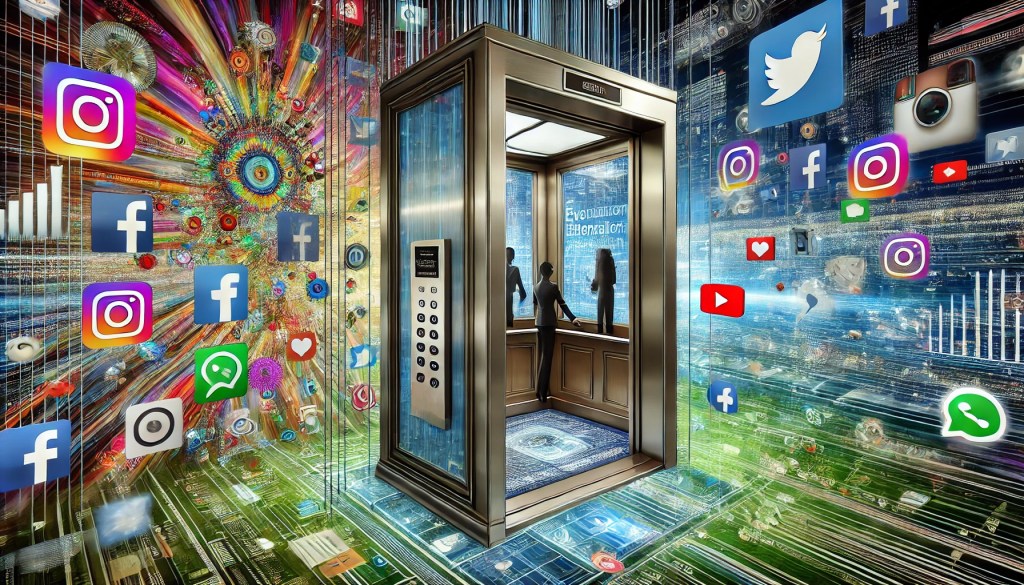
The Evolution of the Elevator Pitch – Capturing Attention in the Age of Distraction
The elevator pitch has been a staple of business, sales, and networking for decades. Traditionally, it was a 30 to 60-second concise and persuasive speech. It was used to introduce oneself, a product, or an idea. It was short enough to deliver in the time it takes to ride an elevator. But in today’s hyper-distracted digital world, the classic elevator pitch has undergone a dramatic transformation. With attention spans shrinking, the way we capture and retain attention has evolved. People decide in seconds whether they will listen. Therefore, the modern elevator pitch must be sharper. It needs to be faster and more engaging than ever before.
The Traditional Elevator Pitch – A Foundation for Success
The concept of the elevator pitch dates back to the early days of Hollywood. Screenwriters had mere moments to pitch their movie ideas to producers between meetings. Later, it became a business and startup essential. It helped entrepreneurs secure funding. It allowed sales professionals to close deals. It also enabled professionals to introduce themselves with impact.
The Classic Formula for an Elevator Pitch
Who You Are – Briefly introduce yourself or your company.
What You Do – Clearly state your product, service, or expertise.
Why It Matters – Explain the unique value you bring.
Call to Action – End with a clear next step or request.
This worked well in face-to-face networking, but as communication evolved, so did the way we pitch.
The Modern Elevator Pitch – Shorter, Sharper, More Engaging, Instant
In the social media age, people decide within 3-5 seconds whether they want to engage with you.
Platforms like TikTok, Twitter, and LinkedIn have forced pitches to be ultra-concise.
Instead of 60 seconds, today’s elevator pitch is often under 15 seconds.
This immediately captures interest without unnecessary details.
Pitches Have Moved from Monologue to Engagement
The old pitch was a one-way speech. The new pitch is a conversation starter. This makes it interactive, inviting engagement instead of passive listening. Instead of ending with a generic, “Let’s connect,” use an open-ended question.
Social Media Has Changed the Format
LinkedIn Bios, Twitter Threads, and TikTok Videos are the new “elevator rides.”
People expect to consume pitches visually—videos, short reels, or even GIFs are becoming powerful tools for pitching.
Attention-grabbing hooks matter more than ever.
This creates curiosity and engagement rather than just stating information.
Personal Branding and Reputation Now Speak for You
In the past, you needed a perfect elevator pitch to introduce yourself. Today, your online presence often speaks before you do. Your LinkedIn bio, website, and content all serve as pre-pitches. A strong personal brand makes your pitch instantly more credible.
How to Craft the Perfect Modern Elevator Pitch
Lead with a Hook
Ask a question or state an intriguing fact.
Example: “Did you know 80% of startups fail due to poor marketing?”
Communicate Value in One Sentence
Explain who you help and how you help them.
Example: “I help small businesses scale using AI-powered marketing strategies.”
Use a Micro-Story or Social Proof
Briefly mention a past success or result.
Example: “We recently helped a brand triple their revenue in 90 days.”
End with a Call to Action
Invite engagement instead of just closing.
Example: “What’s your biggest challenge in this space?”
Thoughts – The Elevator Pitch Is Evolving
The elevator pitch isn’t dead—it has evolved with the times. In a world where attention is fleeting, the key is to be quick, engaging, and interactive. Whether you’re pitching in person, on LinkedIn, or through a TikTok video, the goal remains the same: The next time you introduce yourself, ditch the outdated 60-second pitch and try a short, engaging, and value-driven approach instead.
Capture attention instantly
Communicate value clearly
Make it a conversation, not a monologue
The Shrinking Attention Span & Its Impact on Communication
With attention spans at an all-time low, communication methods—verbal, written, email, and visual—have all undergone significant transformations. Whether in business, education, or marketing, communication methods need to evolve. This evolution is crucial in daily interactions to capture and retain focus. Here’s an in-depth look at how shrinking attention spans are affecting different communication methods. We need to adapt to ensure our messages are heard. They should also be read and remembered.
Verbal Communication – The Need for Brevity & Engagement
Words are the first trigger of attention. The right phrasing, tone, and rhythm can hook or lose your audience in seconds.
People have less patience for long conversations and explanations.
Attention drifts after 30-60 seconds if there’s no immediate value.
Meetings, sales pitches, and networking conversations are getting shorter and more direct.
Speakers must engage instantly—otherwise, they lose the listener.
Use high-impact, action-oriented words: “Unlock,” “Transform,” “Secrets,” “Little-known,” “What Nobody Tells You About…”
Start with a curiosity hook: “Ever wonder why…?” “What if I told you…?”
Use pattern interrupts: Statements that surprise, shock, or challenge beliefs keep people engaged.
What to Avoid:
Overly complex language – If people have to work hard to understand, they’ll check out.
Clichés and overused phrases – “Thinking outside the box” won’t cut it anymore.
Weak verbs and vague descriptions – “Helping people” sounds generic; “doubling revenue in 90 days” is compelling.
Strategies to Adapt:
Get to the point quickly – Avoid long-winded introductions.
Use engaging storytelling – Facts alone don’t stick; emotions and narratives do.
Ask questions frequently – Interactive discussions keep people focused.
Use “soundbites” – Think in short, memorable phrases that stick in people’s minds.
Written Communication – The Shift to Short-Form and Scannable Content
Long paragraphs are losing effectiveness.
People skim, not read—only 16% of users read word-for-word.
Blogs and reports now rely on headers, bold text, and visuals for better engagement.
Strategies to Adapt
Use bullet points and short paragraphs – Break up text for easy reading.
Write in an active voice. Use “You’ll learn how to boost sales” instead of “Sales can be boosted by learning how.”
Use subheadings – Helps readers find key points quickly.
Start with the most important information – Don’t save the best for last.
Email Communication – The War Against Inbox Fatigue
Inbox overload means most emails get ignored unless they’re immediately relevant.
Subject lines must be compelling and ultra-short—emails with 6-10 word subject lines get the highest open rates.
Dense email blocks get skipped—people prefer bullet points and structured formatting.
Call-to-actions (CTAs) must be clear and direct.
Strategies to Adapt
Write concise subject lines. An example is “Quick Fix for Your Sales Funnel” instead of “Let’s Discuss Ways to Improve Your Current Marketing Strategies.”
Make the first sentence count – Hook the reader within 3-5 seconds.
Use white space – Avoid long paragraphs.
One email = One purpose – Don’t overload emails with multiple CTAs.
Visual Communication – The Power of Images & Video
People process visuals 60,000 times faster than text. With modern attention spans as short as 8 seconds, compelling imagery isn’t a luxury—it’s a necessity. Video content gets 1200% more shares than text-based content. Infographics and animated explainers are replacing long-form written content. Short-form videos (TikTok, Instagram Reels, YouTube Shorts) are outperforming long videos.
Strategies to Adapt
Use more images & infographics – Visual data increases retention.
Create short videos – Keep them under 1 minute for maximum impact.
Use captions & subtitles – Many people watch videos on mute.
Faces & Eye Contact: Humans are wired to engage with faces. Close-up images work best.
Contrast & Bold Colors: High contrast attracts attention; muted tones blend into the background.
Minimalist Designs: Simple, clean layouts reduce cognitive overload and make messages stick.
Infographics & Data Visualization: People skim text but absorb data faster through charts and icons.
Thoughts – Adapting Communication for the Attention Economy
Attention is scarce and valuable. Whether you’re writing an email, giving a speech, creating content, or making a sales pitch, every second counts.
The Key Takeaways
Verbal Communication: Keep it short, interactive, and engaging.
Written Communication: Use bite-sized content, bullet points, and scannable formats.
Email Communication: Grab attention in the subject line and first sentence.
Visual Communication: Use images, short videos, and infographics for better engagement.
The world is not paying attention unless you make them want to.
The question is—how will you adapt?
Mastering Attention Management with Neuro-Linguistic Programming (NLP)
With attention spans rapidly shrinking, Neuro-Linguistic Programming (NLP) offers powerful techniques to capture, retain, and guide focus effectively. NLP is a psychological approach. It explores the connection between language, thought patterns, and behavior. It has been used for decades to enhance communication, persuasion, and engagement. Incorporating NLP techniques into verbal, written, email, and visual communication can significantly improve focus, engagement, and retention. Let’s explore how NLP can be leveraged to manage attention spans in today’s world.
NLP & Verbal Communication – Commanding Attention Instantly
Mirroring & Matching – Subtly copying tone, body language, and speech patterns builds rapport, making the listener more engaged.
Powerful Language Framing – Using specific word choices and tonality to hold attention.
NLP Strategies for Better Verbal Communication
Start with a Disruptive Statement – Something unexpected forces the brain to focus.
Use Embedded Commands – Suggestive phrases influence subconscious attention.
Engage the Brain with Open Loops – Leaving a question unanswered keeps attention locked in.
Use Sensory-Based Language – Speak to all senses to create vivid mental imagery.
NLP in Written Communication – Crafting Messages That Stick
The brain remembers stories and sensory details better than abstract facts.
The “Chunking” Technique improves readability and retention.
Reframing negative thoughts keeps readers engaged instead of overwhelmed.
NLP Strategies for Writing That Holds Attention:
Chunk Information – Break complex concepts into small, digestible parts.
Use Storytelling Patterns (Milton Model) – Frame information with relatable narratives.
Use the Zeigarnik Effect (Open Loops) – Create curiosity by starting but not finishing an idea.
Use Positive Presuppositions – Subtly lead the mind toward a desired outcome.
Example: “As you start applying these techniques, you’ll notice your productivity skyrocketing.”
NLP in Email Communication – Holding Attention in a Crowded Inbox
The Reticular Activating System (RAS) helps filter information—emails must trigger relevance.
NLP’s language patterns can make emails feel more engaging and personalized.
NLP Strategies for More Effective Emails
Personalize and Use “You-Focused” Language – The brain is wired to prioritize self-relevant information.
Use Hypnotic Language Patterns – Encourages subconscious agreement.
Create Curiosity in Subject Lines – The brain loves incomplete information.
Use Sensory-Rich Phrases – Activates the reader’s imagination.
NLP in Visual Communication – Designing for Instant Engagement
The brain processes images 60,000 times faster than text.
Color psychology influences emotions and decision-making.
Gestalt Principles (contrast, proximity, and symmetry) make visuals easier to absorb.
NLP Strategies for More Impactful Visuals
Use Contrasting Colors to Direct Focus – The brain follows visual hierarchy.
Apply the Rule of Thirds & Eye-Tracking Patterns – Position key elements where the eye naturally lands.
Use Faces and Eye Contact in Images – Humans are wired to engage with faces.
Leverage Anchoring & Metaphors – Images that symbolize transformation or success enhance retention.
By using minimal yet high-impact visuals, the audience retains key messages more effectively.
Thoughts – NLP as a Game-Changer for Attention Management
In a world where distractions are everywhere, NLP is a powerful tool to capture and retain attention. Whether in verbal, written, email, or visual communication, applying NLP techniques ensures your message is engaging, memorable, and action-driven.
Key Takeaways
Use Pattern Interrupts to grab attention instantly.
Engage the subconscious mind with sensory-rich language.
Leverage open loops & curiosity triggers to keep people hooked.
Design visuals that guide the eye naturally.
By understanding how people process information, you can craft communication that sticks, persuades, and drives action.
To delve deeper into Neuro-Linguistic Programming (NLP) techniques, you can explore some additional resources.
The Power of First Impressions – Personal Appearance Affect Attention Spans
In a world of shrinking attention spans, every detail matters when trying to capture and retain someone’s focus. The words you choose affect whether people engage with you. The visuals you use can determine their interest. How you present yourself influences their attention. So, how do you leverage language, imagery, and personal appearance to make a lasting impact in seconds? Let’s break it down.
Personal Appearance – How Your Look Shapes Perception
Whether on a stage, in a meeting, or on a Zoom call, people judge before they listen. Studies show that it takes just 1/10th of a second to form an impression based on appearance. Learn how to use personal appearance to attract attention.
Dress for Context: Your outfit should align with your message. It should also suit your audience.
Use Accessories Strategically: A statement piece (watch, glasses, jewelry) makes you more memorable.
Grooming Matters: People subconsciously associate clean, well-groomed individuals with competence and credibility.
Your look should reinforce your message.
If you’re a creative speaker, a pop of color makes you stand ou
Overdressing or Underdressing: Being out of sync with your audience creates an instant disconnect.
Ignoring Posture & Body Language: A strong stance commands more attention than clothes alone.
Dress Sense & Branding – The Silent Attention Magnet
Clothing isn’t just fabric—it’s a form of non-verbal communication. A well-chosen outfit can:
Increase credibility and authority
Influence how long people listen to you
Enhance personal branding and recognition
The Psychology of Colors in Dressing:
🔴 Red – Power, energy, urgency (great for sales or motivational speaking)
🔵 Blue – Trust, calmness, credibility (perfect for corporate and finance)
🟢 Green – Growth, balance, stability (ideal for wellness and sustainability industries)
🟡 Yellow – Optimism, creativity (great for branding professionals)
⚫ Black – Authority, sophistication, intelligence (classic for leadership roles)
Thoughts – The Winning Formula for Attention Management
If you want to grab and hold attention, every element of communication—appearance, and dress sense—must work together seamlessly. In a world where first impressions happen in seconds, make sure yours is unforgettable.
Why Con Artists & Scammers Are Effective – The Psychology of Deception and Manipulated Attention
Con artists and scammers aren’t just criminals—they are master manipulators of human attention, psychology, and perception. They know exactly how to capture, hold, and direct focus to exploit their victims. Whether it’s a Ponzi scheme, a fake investment opportunity, or an online phishing scam, they rely on human psychology. They use persuasion techniques and attention span vulnerabilities to achieve their goals. So, why are they so effective? Let’s break down the science behind scams and how they manipulate attention, emotions, and decision-making.
They Hijack Your Attention With High-Stakes Urgency
The brain is wired to prioritize urgent threats and opportunities.
Scammers create artificial urgency to bypass critical thinking.
When under pressure, people make impulsive decisions.
They force you to focus on the “now” instead of thinking critically.
They rush you to act before verifying details.
They use official-sounding language to anchor legitimacy in your mind.
They Exploit Attention Biases to Control Your Focus
Cognitive biases make people focus on certain details while ignoring others.
Scammers direct your attention to what they want you to see.
They use misdirection to hide inconsistencies.
They control the narrative by deciding what details you focus on.
They use visually convincing elements (fake logos, urgent emails) to override skepticism.
They keep your attention away from red flags (fine print, suspicious details).
They Build Fake Credibility to Create Trust Instantly
People trust authority figures, successful people, and familiarity.
Scammers fake credibility to bypass skepticism.
The brain is wired to associate confidence with competence.
They display external markers of success to make you ignore logical doubts.
They borrow trust from real institutions (e.g., fake charity scams pretending to be Red Cross).
They use psychological triggers like uniforms, professional language, and confidence.
They Exploit Emotions to Override Rational Thinking
When emotionally triggered, people ignore red flags.
They trigger intense emotions that make people act without verifying information.
They personalize stories so victims feel emotionally invested.
They use time-sensitive emotions (fear, love, urgency) to distract from logical thinking.
Religious and Spiritual Con Artists – Manipulating Faith and Belief
Faith often involves trust without evidence, making people vulnerable to manipulation.
Many religious figures hold automatic authority—people hesitate to question them.
Fear of divine punishment or missing out on miracles makes people compliant.
They use religious rituals and symbols to create an illusion of power.
They exploit people’s fears of suffering, hell, or karma to make them comply.
They redirect attention away from their wealth, contradictions, or failures by demonizing skeptics.
Blink & Attention Span – The Power of Rapid Decision-Making
Malcolm Gladwell’s book Blink: The Power of Thinking Without Thinking explores how our brains make split-second decisions. It examines thin-slicing, which is the ability to process small bits of information to form quick judgments. While this can lead to brilliant insights, it also shows how attention span and focus influence decision-making.
How It Relates to Attention Span:
Fast Thinking vs. Deep Focus:Blink argues that our subconscious can make accurate judgments in an instant. However, we need deep attention for complex, analytical thinking.
Distraction Can Distort Snap Judgments: When we have too much information, we become overwhelmed. Our decisions become less accurate. This shows the importance of managing focus.
Attention Filters Matter: Our brain ignores distractions. It prioritizes key details when making quick decisions. This proves that attention span shapes perception and judgment.
Key Takeaway:
Blink reveals that attention isn’t just about focusing longer. It’s about knowing when to trust quick instincts. It’s also about knowing when to slow down for deeper analysis.
The Interplay Between Attention Span and Expectations – How They Shape Perception and Engagement
Our ability to focus on something is directly influenced by what we expect to get from it. If we anticipate value, excitement, or relevance, we stay engaged. If something fails to meet our expectations quickly, we lose interest and move on. In today’s fast-paced, attention-deficient world, expectations have never been higher. At the same time, attention spans have never been shorter. This creates a constant battle between what we want and how long we’re willing to wait for it.
High Expectations, Short Attention Spans
Because we’re used to getting what we want instantly, our ability to wait, process, and deeply engage has declined. If something doesn’t grab attention immediately, it gets ignored. People today expect:
Instant Answers – Google delivers results in milliseconds.
Immediate Entertainment – TikTok, YouTube Shorts, and Reels hook us in seconds.
Personalized Experiences – Algorithms curate content we’re most likely to engage with.
If your message doesn’t match expectations immediately, attention is lost.
If people expect quick engagement but encounter slow delivery, they disengage.
If something doesn’t feel relevant fast enough, the brain filters it out.
How to Adapt to High Expectations with Short Attention Spans
Get to the point FAST – Your hook must immediately signal value.
Match expectations with delivery – Don’t promise excitement and deliver boredom.
Use structured, scannable content – Bullet points, visuals, and clarity help retain attention.
The Reverse – When Low Expectations Lead to More Attention
Interestingly, sometimes lower expectations can result in longer attention spans. If people expect something to be boring but find it surprisingly engaging, they pay more attention.
What This Means:
If expectations are exceeded, people pay more attention than anticipated.
When novelty or surprise is introduced, attention span increases.
How to Leverage This Insight
Exceed expectations early – Surprise people with energy, humor, or valuable insights.
Create an element of unpredictability – The brain focuses on what it doesn’t expect.
Turn low-interest topics into engaging experiences – Add storytelling, analogies, and humor.
The Expectation-Attention Trap – When People Check Out Too Soon
Sometimes, expectations kill attention before something even begins. If people assume something won’t be worth their time, they won’t even engage in the first place. This happens in meetings, emails, social media, and conversations. If the first impression doesn’t set the right expectation, people mentally check out.
What This Means:
If something appears uninteresting upfront, people won’t give it their attention.
First impressions must align with the attention you want.
Attention span isn’t just about duration—it’s about choosing to engage or not.
How to Overcome the Expectation-Attention Trap
Optimize first impressions – Titles, openings, and first lines must set the right tone.
Use social proof or credibility upfront – People pay more attention when they expect value.
Break preconceptions with an engaging start – Start with a surprise, question, or challenge.
Thoughts – Managing Attention by Managing Expectations
If expectations are high, you must deliver value FAST.
If expectations are low, surprise can boost engagement.
If expectations don’t match reality, attention is lost instantly.
Managing attention span isn’t just about making things shorter—it’s about aligning expectations with engagement strategies.
Conclusion: Master Your Attention—Master Your Future
Attention is the new currency—scarce, valuable, and constantly under attack. We live in a world designed to distract, disrupt, and manipulate focus. Those who can command and direct their attention will rise above the noise. We’ve uncovered the profound impact of attention span management. It shapes leadership. It deepens relationships. It strengthens communication. It even protects us from deception. We’ve seen how distractions dilute potential, how expectations dictate focus, and how those who master their attention master their outcomes.
But here’s the truth: attention management is no longer optional—it’s the ultimate competitive advantage.
Individuals, leaders, and professionals learn to control their focus. They silence distractions. They train their minds for deep engagement. These people will be the ones who thrive. The choice is yours: Be passively controlled by algorithms, stress, and endless distractions. Or take full control of your attention, influence, and success. Your greatest power lies in what you choose to focus on. Master it, and you master everything.
Are you ready to reclaim your attention and unlock your full potential? Let’s make it happen.
But here’s the hard truth: If you don’t take control of your attention, someone else will.
Algorithms will dictate what you see and think.
Scammers and manipulators will hijack your focus for their gain.
Superficial conversations and constant distractions will erode your relationships.
Your ability to think deeply, strategize, and create impact will shrink.
The good news? You have the power to change this.
Your Call to Action – Reclaim Your Attention, Transform Your Life
Be Intentional About What You Pay Attention To
Choose depth over speed—engage in real conversations, read full articles, focus on meaningful work.
Avoid mindless scrolling and digital distractions that steal your time.
Master Attention in Communication
Be present—whether in meetings, relationships, or daily conversations.
Use clear, concise, and engaging messaging—whether you’re speaking, writing, or presenting.
Defend Your Focus
Block out interruptions when working on deep tasks.
Take control of your environment and digital habits to avoid attention drains.
Use Attention as Your Superpower
Influence and lead by commanding attention, not demanding it.
Stand out in a noisy world by delivering value, clarity, and presence.
In the battle for attention, you can either be a passive participant—or a master of focus, influence, and connection. The choice is yours. Are you ready to take control?
Drop your thoughts in the comments! What’s the biggest attention challenge you face, and how do you plan to overcome it? Let’s start the conversation.












 Sumir Nagar
[…] The Attention Code – Mastering Focus, Influence & Connection in a Distracted World […]
LikeLike
[…] The Attention Code – Mastering Focus, Influence & Connection in a Distracted World […]
LikeLike