Foreword
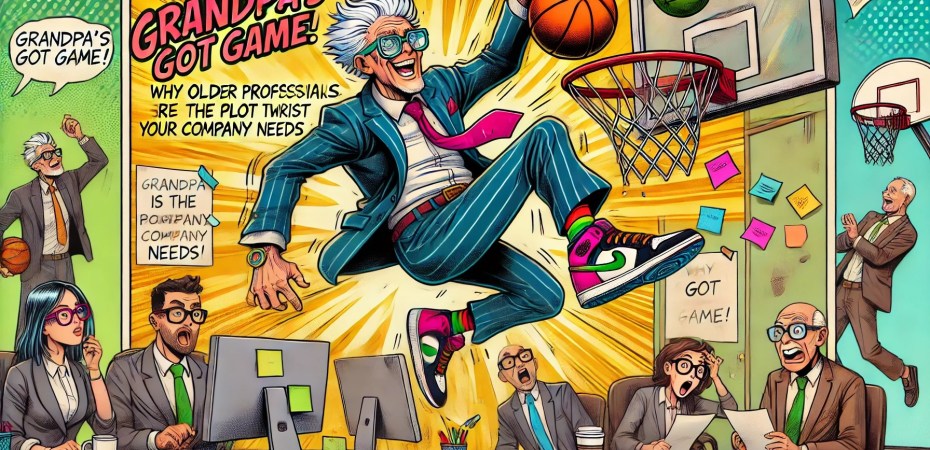
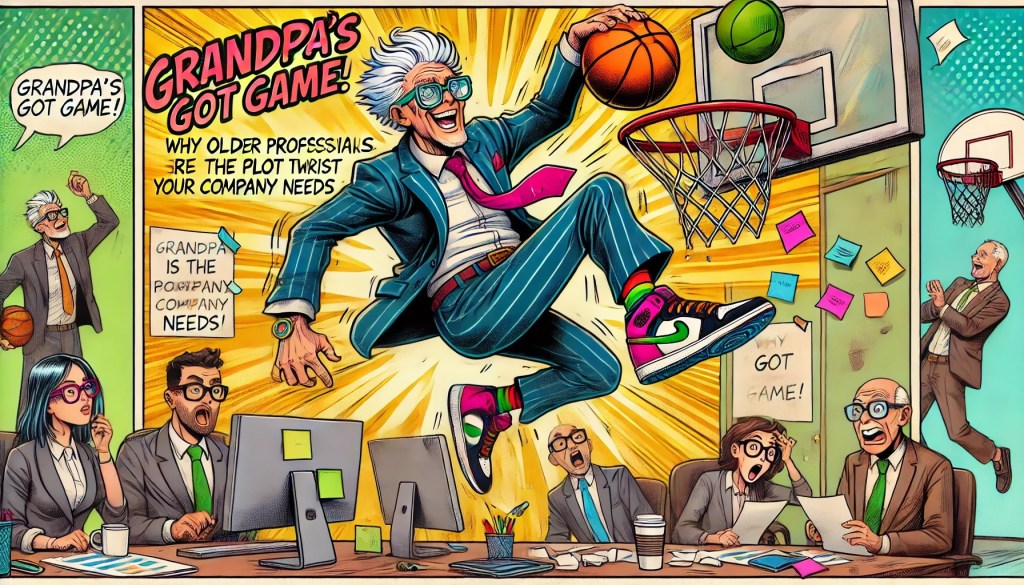
Let’s face it: corporate hiring today feels like a reality show where only the youngest contestants get roses. But here’s the twist. What if the real MVPs aren’t the ones who bring “fresh energy” but the ones who’ve survived Y2K, dial-up internet, and office politics without breaking a sweat? Spoiler alert: older professionals are the secret weapons your company didn’t know it needed.
This article is here to bust the myth that innovation is a youth-only club. We’ll dive into why gray hair equals gold mines of experience. How seasoned pros handle crises like pros, Why dad jokes in the break room might be your team’s secret to bonding.
So, if you’re tired of hiring someone who says “synergy” but can’t handle a budget, or you want to future-proof your company with wisdom that doesn’t come with an app download, read on. Trust us—this will make you rethink everything about age diversity in hiring.
Because when it comes to building a dream team, old is the new bold.
Now I’ve mostly worked with teams that are as young as young can be. The resistance comes not from the kids, but from the hiring managers, HR and perhaps from the powers that be.
It does take a little time and a lot of effort to connect with the kids, but that’s effort well invested in. Once you’ve established the rapport and they realise you’re not this fuddy duddy old fart, these very kids value your feedback, guidance and counsel. Not only do they value it, they are pretty open and willingly say it out loud.
Ageism in Hiring: Why Old Dogs Don’t Need New Tricks (But Might Teach You a Few) or The Gray/No Hair Dilemma
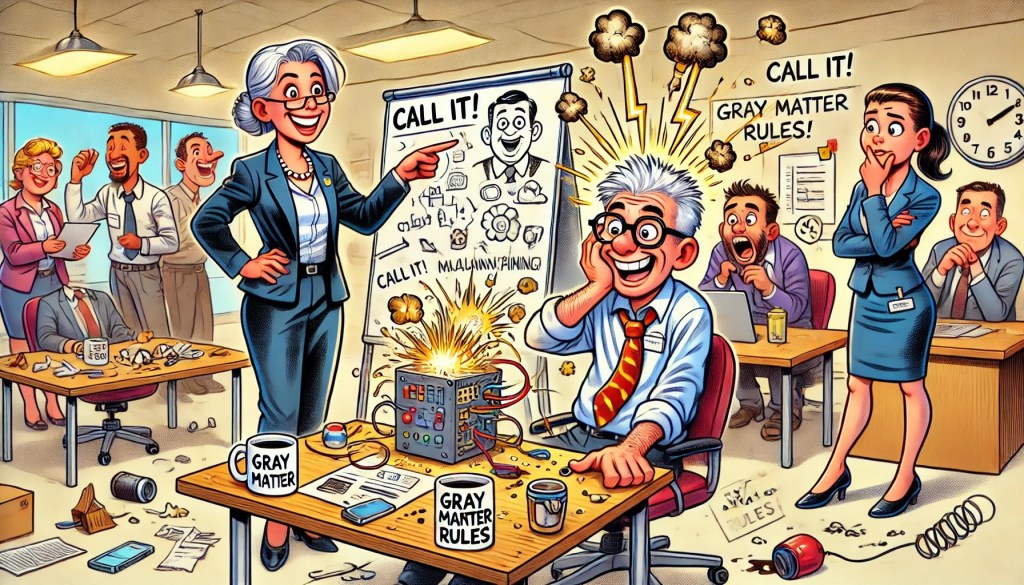
Ageism in hiring is the corporate equivalent of swiping left on a perfectly good match, because they don’t know the latest dance trend on TikTok. Ageism is when HR looks at your resume and says, “Impressive, but do they even know ChatGPT or TikTok exists?”
In India, where we worship elders in mythology but ghost them during recruitment, the contradictions are as spicy as a plate of butter paneer. In India, where we revere elders (except when hiring them), the rise of startups and tech hubs has made hiring a sport dominated by those under 30 who can “move fast and break things” – even if that means breaking budgets and coffee machines. In India, we’re stuck in a weird limbo: we touch elders’ feet for blessings but won’t touch their CVs because “innovation = youth.”
Forget asking about experience—recruiters are busy wondering if you know how to make a meme.
Let’s explore this laughable paradox and why grandma or grandpa might just be the tech disruptor you need.
Global Trends: The Numbers Are as Wrinkled as the Bias
- Globally: Half of recruiters think anyone over 57 belongs in a retirement home, not a boardroom.
- Half of the recruiters believe anyone over 57 is better suited to knit sweaters than write code.
- 76% think senior leadership is as diverse as a beige sweater.
- 76% think senior leadership lacks diversity, with age being a prime culprit.
- 40% of workplace discrimination cases are about age because “old is gold” doesn’t apply to hiring.
- 40% of workplace discrimination cases involve age.
- And startups love younger hires, mainly because they’ll happily accept ESOPs instead of real money – basically Monopoly cash for the corporate world.
Regional Trends: Different Strokes for Different Folks or The Age Wars
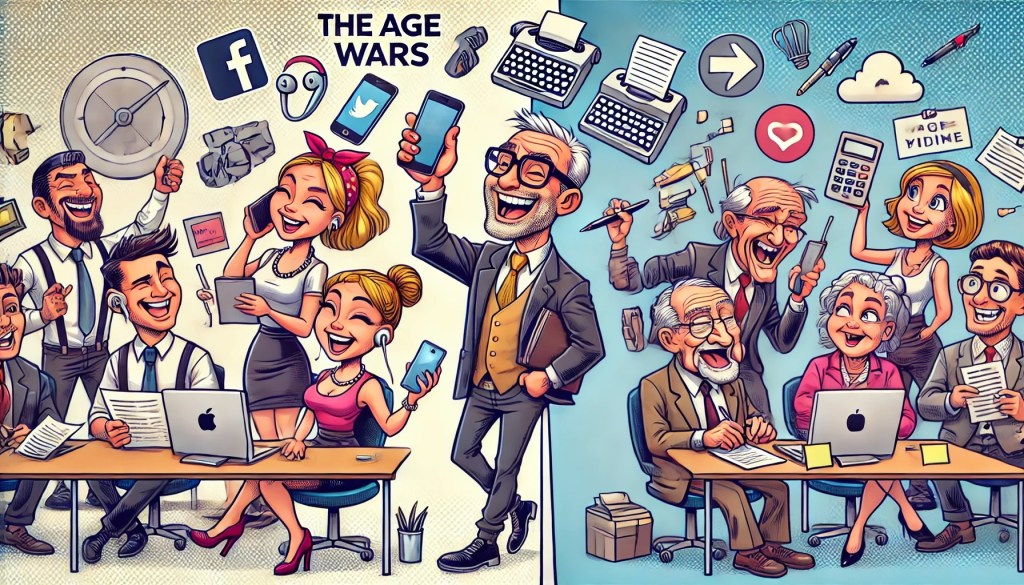
- North America: Experience is valued, but only if you’re not old enough to call Facebook “The Facebook.“We want fresh ideas!” – as long as you’re not a day over 40.
- Europe: Germany and Italy are keeping older workers happy, probably with promises of unlimited espresso. Germany and Italy are so desperate for older workers they might soon offer free espresso and wine breaks as perks.
- Asia: Japan hires older workers for their wisdom. Japan has programs for senior employees.
- India: We politely nod and then hire the intern with 10 LinkedIn endorsements or India says, “Respect your elders, but hire the kid who just learned Python yesterday.”
Why Hire Older Executives? Because They’re the Office Gandalf
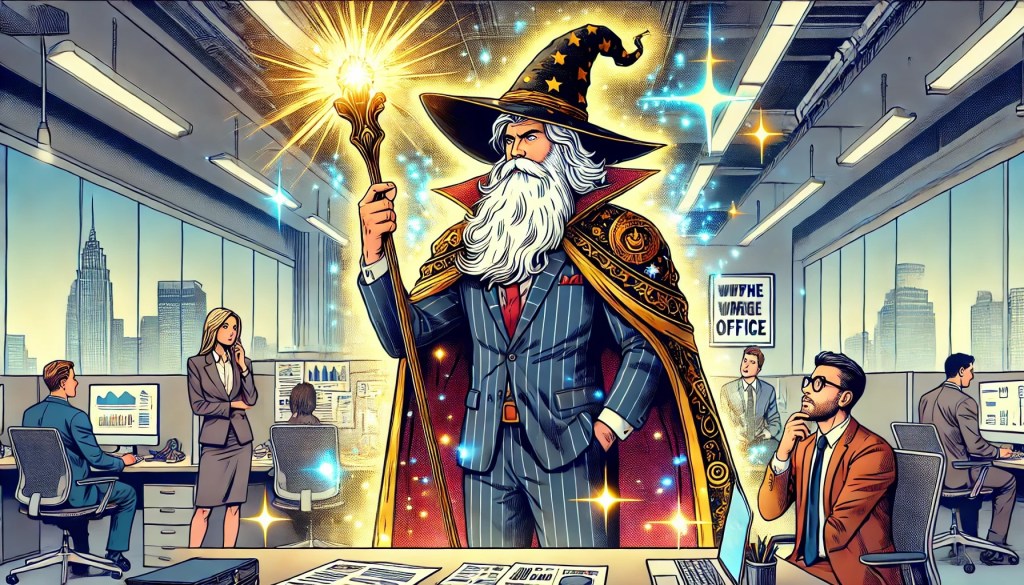
Advantages:
- Crisis Management: Older professionals have survived recessions, Y2K, and office chairs with no lumbar support. Crisis? They laugh in its face. When things go south, older executives don’t panic – they’ve seen it all, from stock crashes to interns crashing the office server.
- Mentorship: They’re like oak trees—solid, nurturing, and occasionally prone to dropping acorns of wisdom. Like wise oak trees, they nurture young saplings, though they might also remind them to “dress properly for work.
- Networking: While your young hotshot is busy collecting Instagram followers, they’re collecting million-dollar contacts. Older execs have contacts who can actually make deals happen, unlike that “LinkedIn influencer” you just hired.
- Work Ethic: Older professionals show up on time, finish their work, and won’t spend 30 minutes making a latte in the office kitchen.
- Reliability: No “quiet quitting” here – they’re in it for the long haul (or at least until retirement).
Challenges:
- Higher Compensation: Experienced professionals often command higher salaries, though this is balanced by the value they bring. And they won’t ask for a standing desk with a built-in treadmill and hey, you get what you pay for!
- “Can they use Slack?”: Spoiler: Yes, and probably better than you. If not, they can learn Slack. No, they don’t think it’s a pair of loose pants.
- Retirement Looming: Short tenure? Approaching retirement age may limit long-term contributions. Maybe. But they’ll at least give you a proper farewell email, unlike that Gen Z hire who just disappeared one Tuesday. Okay, they might retire soon, but at least they won’t ghost you mid-project.
- Perceptions of Resistance: Stereotypes about adaptability to new technologies can hinder opportunities for older workers.
Industries and Ageism: Who’s In, Who’s Out
High Ageism:
- Tech and Startups: Prefer kids who call themselves “digital natives” but can’t format an Excel sheet or prefer 22-year-olds who can “optimize synergy” (whatever that means).
- Finance & Marketing: If you’re over 40, you’re expected to adapt faster than your modem connects to Wi-Fi.
Low Ageism
- Education: Professors only get cooler with gray hair and tweed blazers or Age is wisdom, and PhDs only get cooler with time
- Healthcare: Nobody’s asking, “Is this surgeon too old to operate?” – unless the scalpel comes with a floppy disk. No one’s asking a surgeon, “But can you make a killer PowerPoint?”
Why Leaders Aren’t Always Young: Wisdom Over Youth in Leadership
Ageism might be rampant in corporate hiring, but when it comes to government leaders and top executives in financial institutions (FIs), the story flips. It turns out, managing a country or steering a multi-billion-dollar financial ship isn’t a task people entrust to a TikTok-savvy 25-year-old who’s still figuring out their avocado toast budget. Let’s dig into why seasoned professionals dominate these roles.
The Leadership Trend: Age & Experience Rule
Global Leadership Averages
- Political Leaders: As of 2023, the average age of world leaders is 62 years. That’s right, your president probably uses reading glasses and wonders why emojis have to be so complicated.
- Financial Institutions: CEOs of major financial institutions, such as the Federal Reserve (Jerome Powell, 71), European Central Bank (Christine Lagarde, 68), and India’s RBI (Shaktikanta Das, 67), prove that trust and strategy grow better with age—like fine wine or grandma’s recipes.
India-Specific Stats:
- Government: The average age of the Indian Parliament’s Union Cabinet is 58 years. Clearly, we trust people who can navigate both geopolitics and their daily joint pain.
- Corporate Leadership: CEOs of India’s largest financial institutions (e.g., SBI and ICICI Bank) typically range between 55-65 years. These are the folks who’ve mastered spreadsheets, crisis management, and keeping interns from photocopying their faces.
Why Older Leaders Excel in Governance and Finance
- Complex Decision-Making: Running a country or a major FI requires a deep understanding of systems, policies, and crises—things you can’t master in your 20s while simultaneously trying to get “concert-ready abs.”
- Younger leaders may bring fresh ideas, but older ones have seen enough economic cycles to know what works and what doesn’t—and they’ve survived a time when dial-up internet made patience a virtue.
- Public and Stakeholder Trust: People are more comfortable with experienced leaders handling their money or national security. After all, you’d hesitate to entrust a 30-year-old with the nuclear codes—or even the office coffee machine budget.
- Historical Precedents: Iconic leaders like Nelson Mandela (President at 75) and Warren Buffett (still heading Berkshire Hathaway at 93) prove that age and success go hand in hand. Turns out, wisdom isn’t just about knowing when to hold ’em and when to fold ’em—it’s about owning the entire deck.
- Crisis Management: Whether it’s a global financial crisis or a geopolitical stand-off, older leaders have the patience and expertise to navigate chaos without breaking a sweat—or a mouse click. They’ve dealt with everything from Y2K to interns who think “9-to-5” is a Netflix documentary.
The Generational Dream Team: When Boomers Meet Zoomers

Imagine an office where the younger staff teaches older employees how to “go viral,” and the elders teach the juniors how not to “go broke.”
Imagine this: An office where young whippersnappers teach older execs how to “go viral,” and seasoned leaders teach rookies how not to “go bankrupt.” Together, they could conquer the world—or at least survive the next quarterly review.
- Older Team Members: Bring strategy, crisis management, and stories that start with, “Back in my day…”Here’s what you get:
- Younger Team Members: Bring fresh ideas and memes.
- Complementary Skill Sets: Younger employees bring tech-savviness and innovation, while older employees contribute strategic thinking, crisis management, and altruistic leadership.
- Cost Efficiency: Younger employees’ preference for ESOPs reduces cash outflows, while older employees provide stability and experience that justify higher salaries. The junior staff saves cash, and the seniors save the day.
- Knowledge Transfer: Gen Z learns crisis management; older execs learn how to use hashtags without looking desperate. Younger employees benefit from mentorship, while older employees learn about emerging tools and trends.
- Future-Proofing: Collaboration between generations ensures seamless succession planning and long-term organizational growth.
- Skill Swaps: The young ones get wisdom; the elders get Instagram filters.
Steps to Combat Ageism (and Make Work Fun)
- Inclusive Hiring Policies: Hire for talent, not the number of candles on a birthday cake. Hire the best talent, regardless of whether they use WhatsApp or Telegram
- Integrated Teams: Mix young guns with seasoned pros. Team up Ravi (25, TikTok wizard) with Sharma Ji (55, financial oracle). Magic guaranteed.
- Skill Swaps: Teach older workers AI, and younger ones the art of a proper email.
- Open Dialogue: No, “OK Boomer” doesn’t count. Ban phrases like “OK Boomer” and replace them with “Teach me, Sensei.”
- Training Programs: Upskill your older staff in tech and your younger staff in patience.
- Inclusive Policies: .
Conclusion
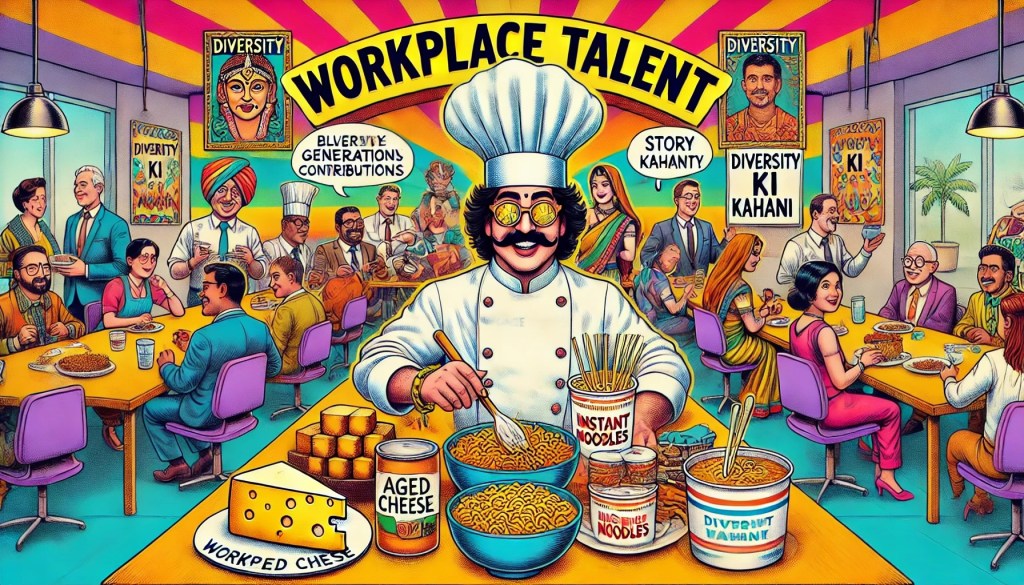
Ageism in hiring is like refusing to eat a perfectly aged cheese while binging on instant noodles. Sure, the noodles are fast and exciting, but the cheese—oh, the cheese—brings depth, richness, and a delightful aftertaste you can’t replace. In India’s workplace buffet, younger employees are the spicy chutney—fiery and fresh—while older employees are the dependable biryani—layered, seasoned, and always satisfying. Why choose one when you can have a deliciously balanced meal?
Organizations that mix generational talents are like master chefs crafting a Michelin-starred workforce. Skip the ageist diet and embrace the full menu—you’ll find yourself savoring innovation, resilience, and maybe even a side of crisis management served with a hearty dose of altruism. After all, who doesn’t love a workplace that’s as dynamic as a Bollywood movie, with a touch of wisdom, drama, and a happily-ever-after ending?
Ageism in hiring is a significant barrier to workplace inclusivity, but it also presents an opportunity to reimagine workforce strategies. In India, where cultural respect for age meets the energy of a young workforce, combining the skills, altruism, and networks of older employees with the innovation and adaptability of younger talent can create a balanced and resilient organization. Companies that embrace age diversity will not only combat ageism but also unlock untapped potential, ensuring sustainable growth and success in a dynamic business landscape.
 Sumir Nagar
I love your voice! It’s entertaining, and a healthy mix of realism and humor 😊And to add to it, the content is food for thought and consideration 🙌🏾
LikeLike
Thanks Poonam.
LikeLike